BBL vs. Laser Resurfacing, Which Treatment Is Right for Your Skin?
BroadBand Light (BBL) and laser resurfacing are often mentioned in the same conversation, yet they serve very different purposes. Both use advanced light-based technology, but the depth, intensity, and goals of each treatment vary significantly. Understanding that distinction is essential before deciding which approach aligns with your skin concerns.
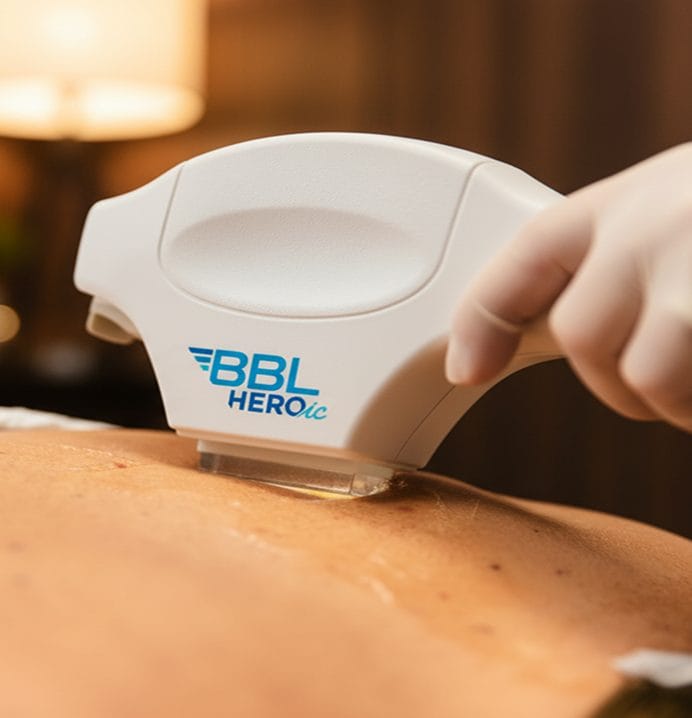
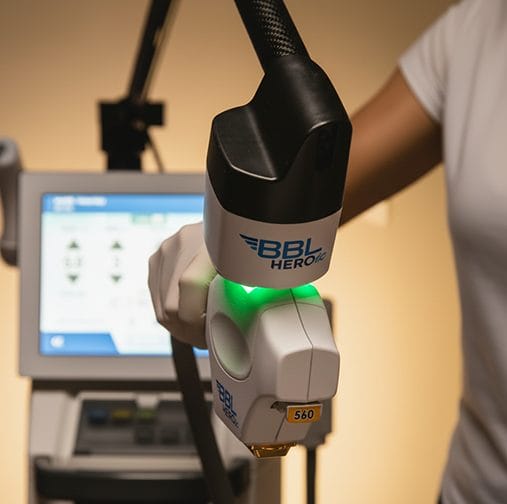
BBL primarily targets pigment, redness, and sun damage. It works by delivering controlled pulses of light that address discoloration at a cellular level while leaving the surrounding tissue unaffected. Over time, this creates a more even tone and clearer complexion without aggressive downtime.
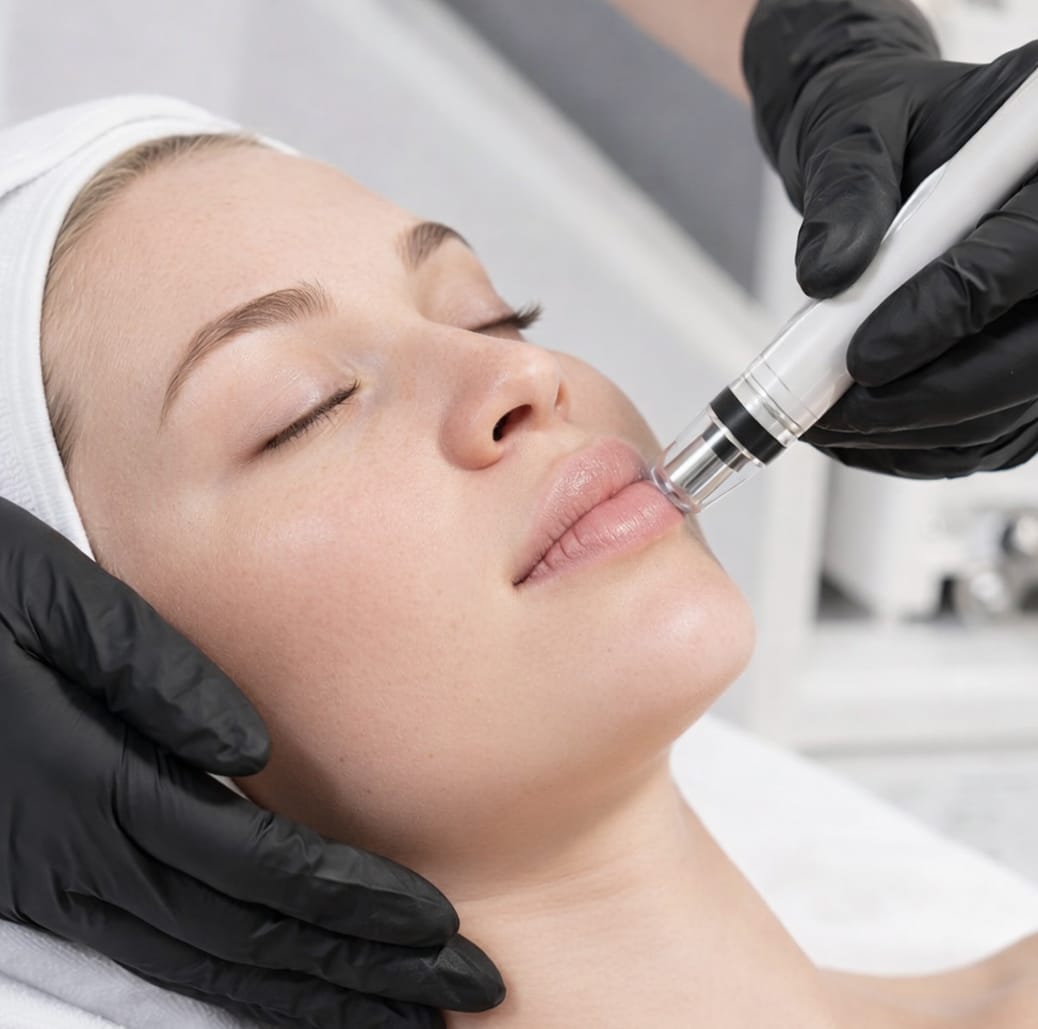
Laser resurfacing, on the other hand, focuses on texture. By stimulating deeper collagen remodeling and encouraging controlled renewal, it improves fine lines, acne scarring, and surface irregularities. The result is smoother, more refined skin — often with a slightly longer recovery period.
Choosing between the two is not about which treatment is “better,” but which is appropriate for your specific goals. Skin type, sensitivity, lifestyle, and recovery tolerance all influence the right recommendation. At Lumos, this decision is always guided by assessment, not assumption.
How Each Technology Works Beneath the Surface
While both BBL and resurfacing lasers use light energy, the mechanism of action differs in depth and purpose. BroadBand Light delivers targeted wavelengths that are absorbed by pigment and vascular irregularities, helping to reduce discoloration and redness without disrupting the skin’s surface barrier.
Resurfacing lasers penetrate more deeply and intentionally create controlled micro-injury within the skin. This process stimulates collagen production and accelerates cellular turnover, improving texture and softening visible lines or scarring. The goal is structural refinement rather than color correction.
Because these treatments address different layers of concern, they are not interchangeable. BBL improves tone and clarity, while laser resurfacing enhances smoothness and firmness. In many cases, they can even be used strategically within the same long-term skin plan.
Understanding what happens beneath the surface helps remove guesswork. When you know whether your primary concern is pigmentation or texture, the treatment path becomes clearer — and results become more predictable.
Comparing Results: Tone vs. Texture
When deciding between BBL and laser resurfacing, the most important distinction comes down to what you are trying to improve. If your primary concern is uneven pigmentation, sun spots, or redness, BBL is typically the more appropriate starting point. It works by selectively targeting discoloration while preserving the integrity of the surrounding skin.
If texture is the concern — including acne scarring, fine lines, or surface irregularities — resurfacing lasers provide a deeper level of stimulation. By encouraging collagen remodeling, they refine the structure of the skin rather than simply correcting its color.
Downtime is another differentiating factor. BBL generally involves minimal recovery, allowing patients to return to normal activities quickly. Laser resurfacing may involve redness, peeling, or sensitivity depending on intensity, making timing and preparation more important.
Ultimately, both treatments are tools. The right choice depends on the condition of your skin and your tolerance for recovery. In many cases, tone is addressed first, followed by texture refinement in later sessions.
Can They Be Combined for Stronger Results?
Although BBL and laser resurfacing address different concerns, they are not mutually exclusive. When thoughtfully planned, they can complement each other within a structured treatment timeline that prioritizes skin stability before intensity.
Addressing pigmentation first often creates a clearer foundation before moving into deeper collagen remodeling. Sequencing ensures the skin responds progressively, not reactively, reducing unnecessary stress while improving overall outcome quality.
Combination planning must consider recovery time, sun exposure, lifestyle, and long term goals. The strategy is never about doing more, but about doing what is appropriate at the right time.
“The most effective skin transformations are not created by layering intensity, but by understanding when to stimulate, when to restore, and when to allow the skin the time it needs to rebuild with strength and balance.”
At Lumos, layered treatments are designed through evaluation, not assumption. Technology is applied with intention, creating results that look refined, natural, and sustainable over time.