Injectables Done Right: Precision, Safety, and Natural Results
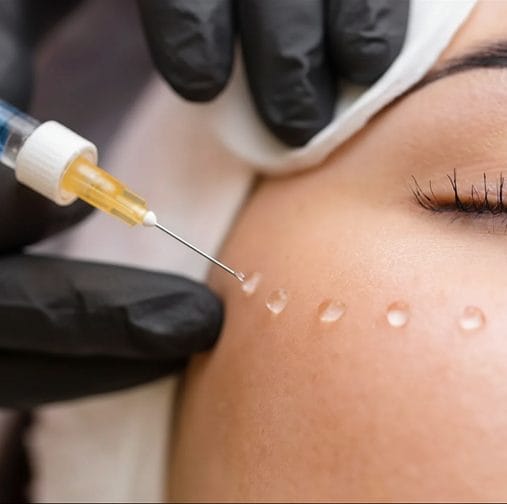
Injectables have transformed modern aesthetic medicine by offering a non-surgical way to soften expression lines, restore facial structure, and enhance natural contours. However, their growing popularity has also led to widespread misunderstanding. Injectables are not about chasing trends or dramatically altering appearance — they are about refinement, balance, and controlled, medically guided enhancement.
When performed with anatomical expertise and restraint, injectables can restore harmony without disrupting facial identity. The difference lies not in the product itself, but in the philosophy behind its use.
Understanding the Science Behind Injectables
There are two primary categories of injectable treatments used in aesthetic medicine: neuromodulators and dermal fillers. Though often grouped together, they serve very different purposes.
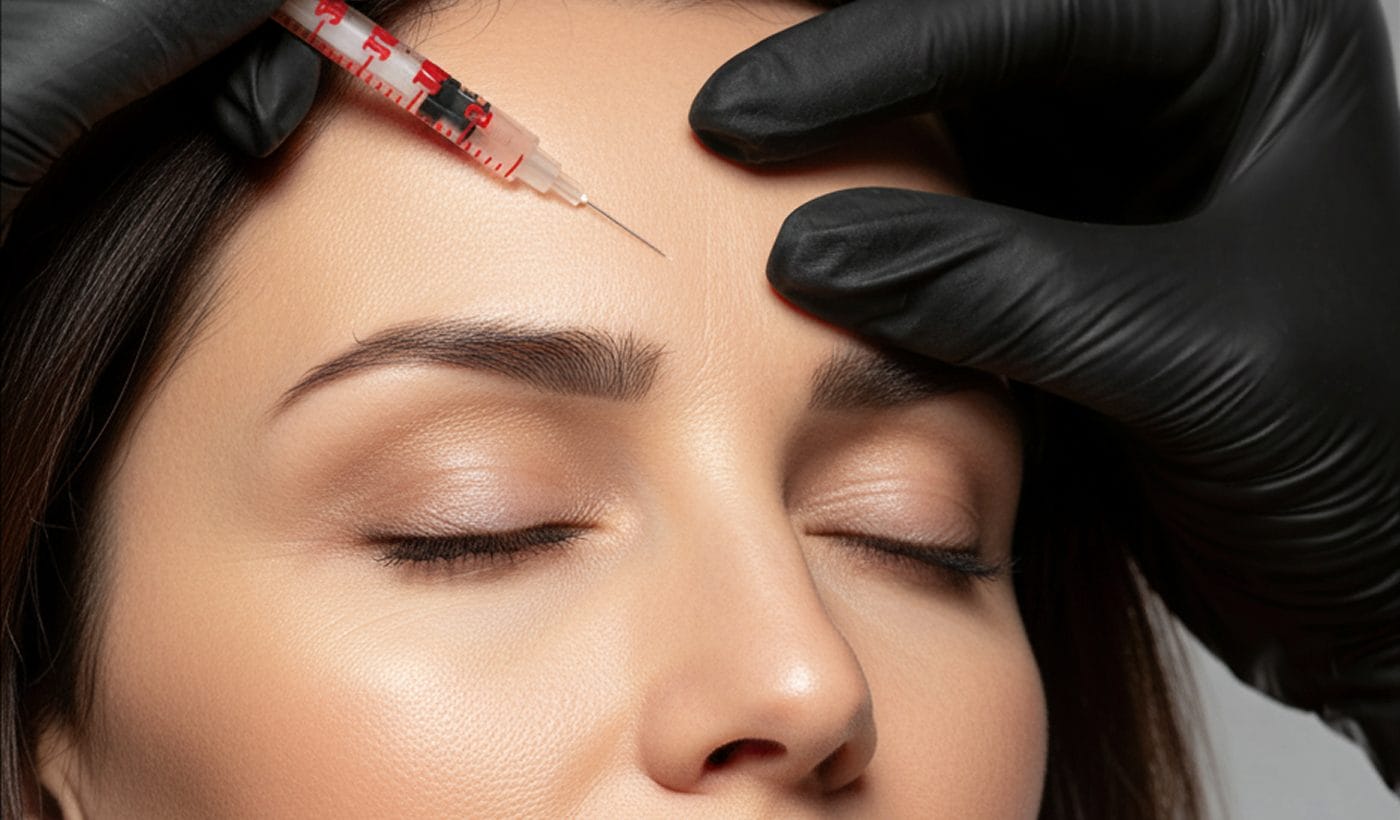
Neuromodulators work by temporarily relaxing specific facial muscles responsible for dynamic lines — such as frown lines, forehead creases, and crow’s feet. By reducing repetitive muscular contraction, they soften existing lines and help prevent deeper ones from forming.
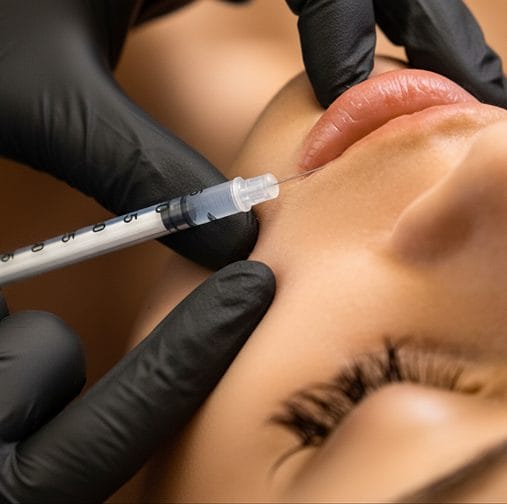
Dermal fillers, on the other hand, restore structural support and volume that gradually diminishes with age. Volume loss in the cheeks, temples, jawline, and lips can alter facial proportions and create shadows or sagging. Carefully placed filler restores balance and support without creating heaviness.
The true art of injectables lies in understanding how muscles, fat pads, bone structure, and skin quality interact as a whole — not treating isolated wrinkles in isolation.
The Importance of Assessment and Restraint
Responsible injectable treatment begins with a comprehensive facial evaluation. Every face ages differently. Bone resorption, fat redistribution, skin thinning, and muscle dominance all contribute to visible changes over time.
Rather than aggressively treating what appears to be a single concern, a well-trained provider evaluates:
Facial symmetry
Movement patterns
Areas of structural loss
Skin integrity
Overall proportion
Often, subtle adjustments in one area can improve another without directly injecting it. This strategic restraint is what separates natural-looking results from overfilled or frozen outcomes.
Injectables should evolve gradually. The goal is refinement over time, not immediate transformation.
Avoiding the “Overdone” Look
One of the most common concerns patients express is the fear of looking unnatural. This outcome is rarely due to injectables themselves, but rather excessive volume, improper placement, or neglecting facial dynamics.
Modern aesthetic standards prioritize movement, softness, and preservation of identity. Lips should move naturally. Smiles should remain expressive. Cheeks should support the midface without appearing heavy.
The most successful injectable treatments are often the least noticeable. Others may comment that you look rested, refreshed, or balanced — without being able to identify why.
Safety and Clinical Standards
Injectables are medical procedures and should always be treated as such. Proper sterile technique, deep anatomical knowledge, and individualized treatment planning are critical for minimizing risk and optimizing outcomes.
A thorough consultation ensures that expectations align with realistic results and that treatment is medically appropriate. Responsible practice also includes conservative dosing and staged treatment plans rather than excessive correction in a single session.
“Injectables are not about changing who you are. They restore structure, soften repetitive movement, and refine balance without compromising expression. The goal is harmony — not excess.”
When guided by clinical expertise and a philosophy rooted in balance, injectables become a precise instrument rather than a cosmetic shortcut. The most powerful results are those that respect facial identity, preserve movement, and prioritize long-term integrity over short-term trends.