Collagen Loss and Aging: What Actually Happens Beneath the Skin
Many visible signs of aging — fine lines, loss of firmness, and changes in skin texture — are closely linked to collagen decline. Collagen is the primary structural protein that keeps skin firm, smooth, and resilient.
Beginning as early as the mid-twenties, the body gradually produces less collagen each year. Over time, this reduction affects the skin’s ability to maintain its structure, leading to subtle but progressive changes in appearance.
Understanding how collagen functions beneath the surface helps explain why these changes occur and how long-term skin health can be supported.
What Collagen Does for the Skin
Collagen acts as the internal framework of the skin. It provides strength, elasticity, and structural support within the dermis, the deeper layer beneath the surface.
When collagen levels are strong and well organized, skin appears smooth, firm, and evenly textured. It also helps maintain hydration and supports the skin’s ability to recover from daily stressors.
Because collagen works at a structural level, its influence goes far beyond the surface appearance of the skin.
Why Collagen Declines With Age
Collagen production naturally slows with age due to a combination of biological and environmental factors. Sun exposure, oxidative stress, and inflammation can accelerate this process, gradually weakening the skin’s supportive network.
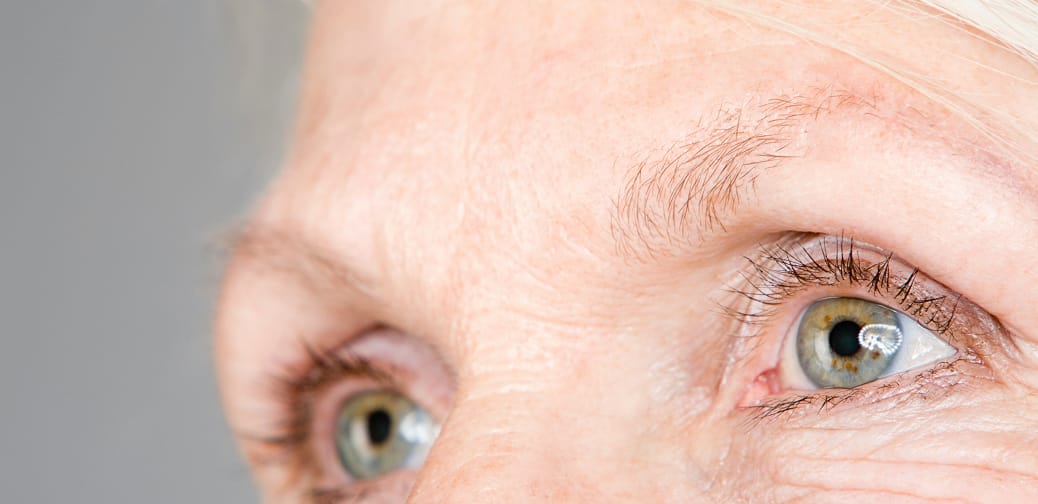
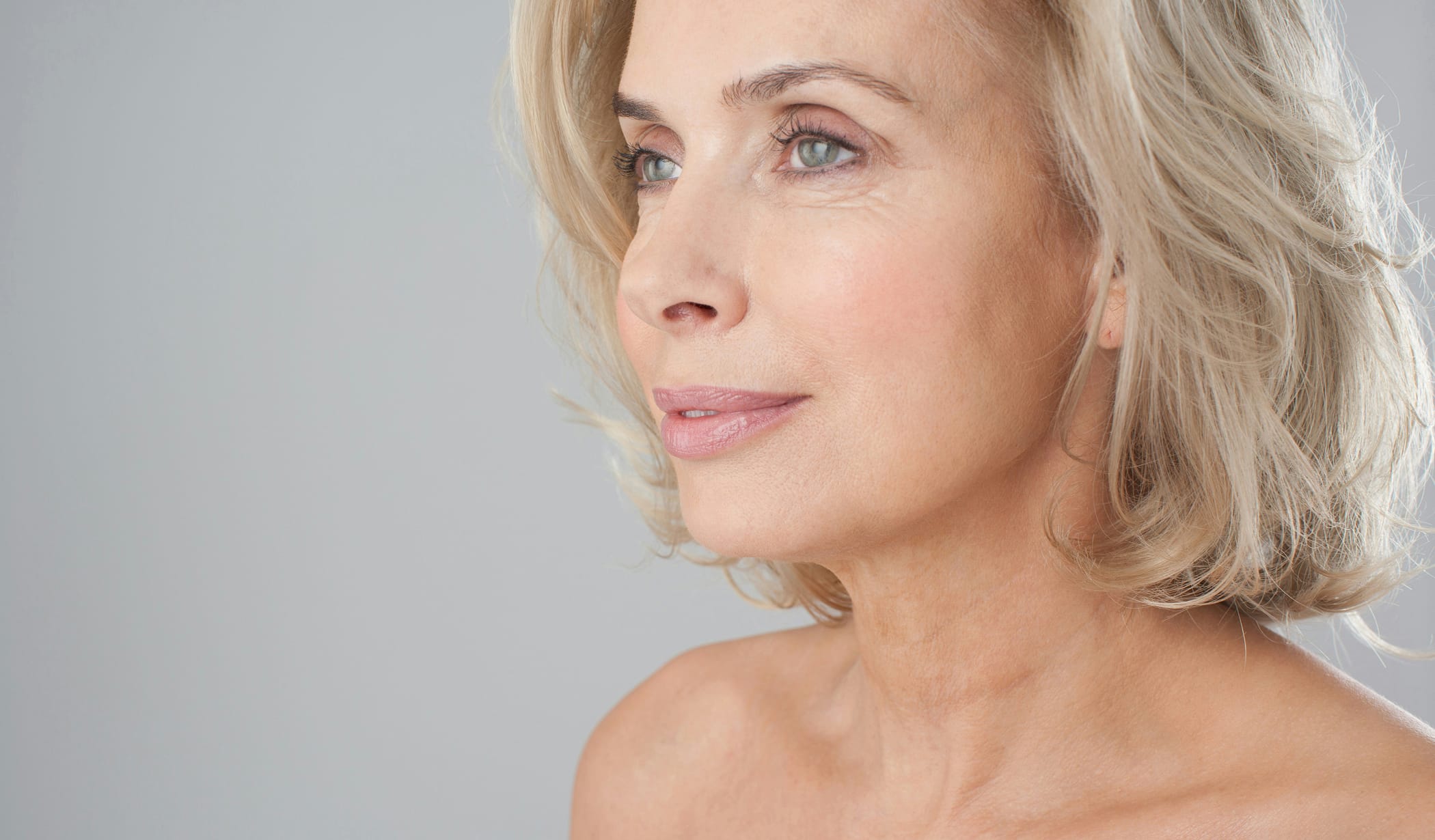
As collagen fibers become thinner and less organized, the skin may begin to show early signs of aging such as fine lines, decreased elasticity, and subtle volume loss. These changes develop gradually, often long before they become clearly visible.
Protecting collagen is therefore one of the most important aspects of long-term skin health.
Supporting Collagen Through Preventative Care
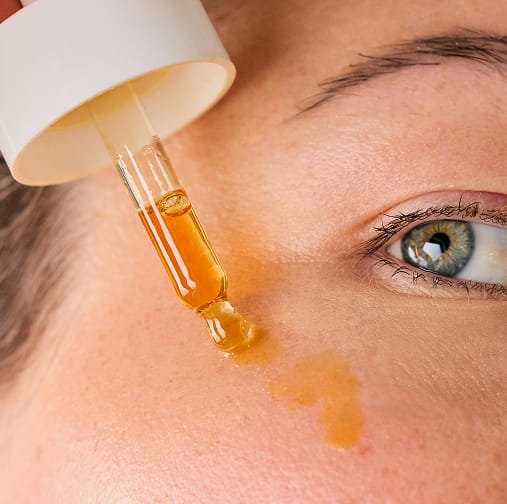
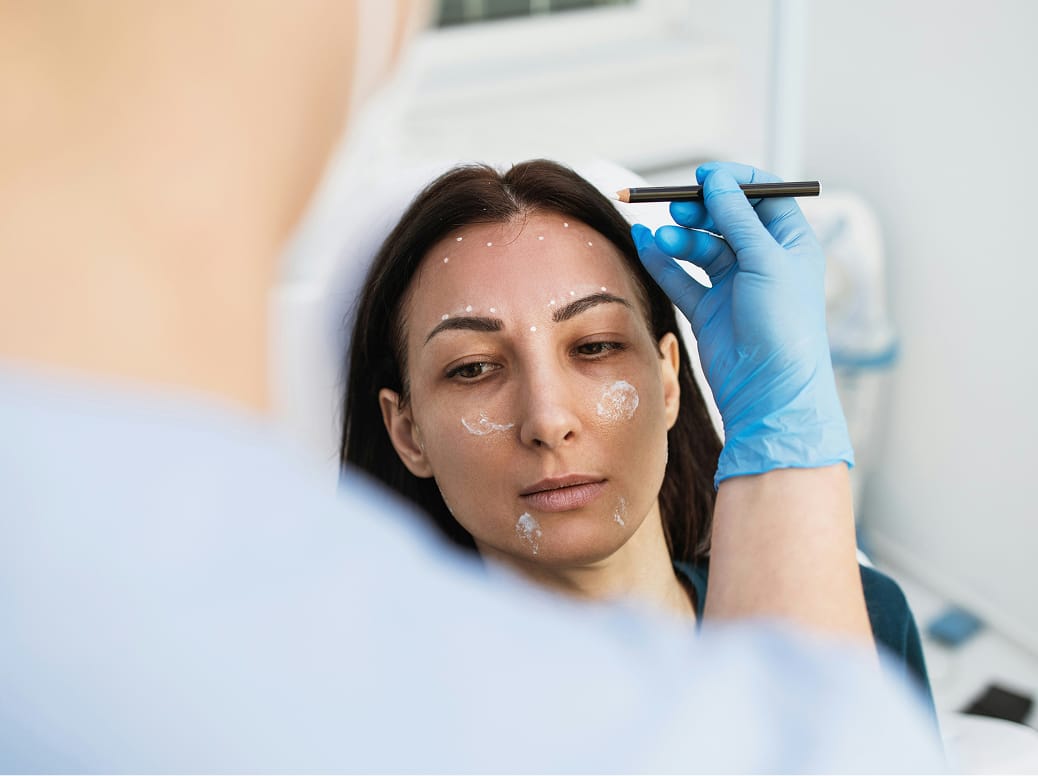
Maintaining collagen is not only about correction, but also prevention. Sun protection, consistent skincare, and professionally guided treatments can help stimulate collagen renewal and preserve the skin’s structural integrity.
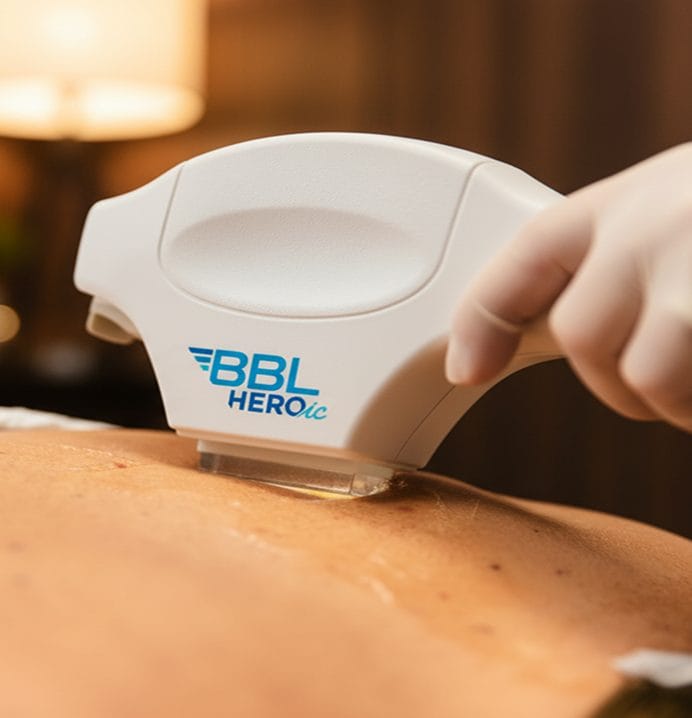
Treatments designed to support collagen production work by encouraging the body’s natural regenerative response, helping strengthen the deeper layers of the skin over time.
This proactive approach allows skin to maintain firmness and resilience for longer.
Why Structural Support Matters
Skin aging is not simply a surface concern. Many visible changes originate from gradual shifts occurring deeper within the dermal structure.
“Collagen is the framework that gives skin its strength and resilience. As that structure changes over time, the surface begins to reflect those deeper shifts.”
Understanding this connection helps shift the focus from quick fixes toward long-term strategies that support the skin’s underlying structure. When collagen health is prioritized, the skin is better able to maintain balance, firmness, and overall vitality over time.