Beyond the Treatment Room: How Lifestyle Influences Your Skin
Even the most advanced aesthetic treatments cannot outperform daily habits. Skin is a living organ, constantly responding to stress, sleep, nutrition, hydration, and environmental exposure.
Treatments create stimulation and renewal. Lifestyle determines how long those results last.
Understanding this balance changes expectations and outcomes.
Sleep and Cellular Repair
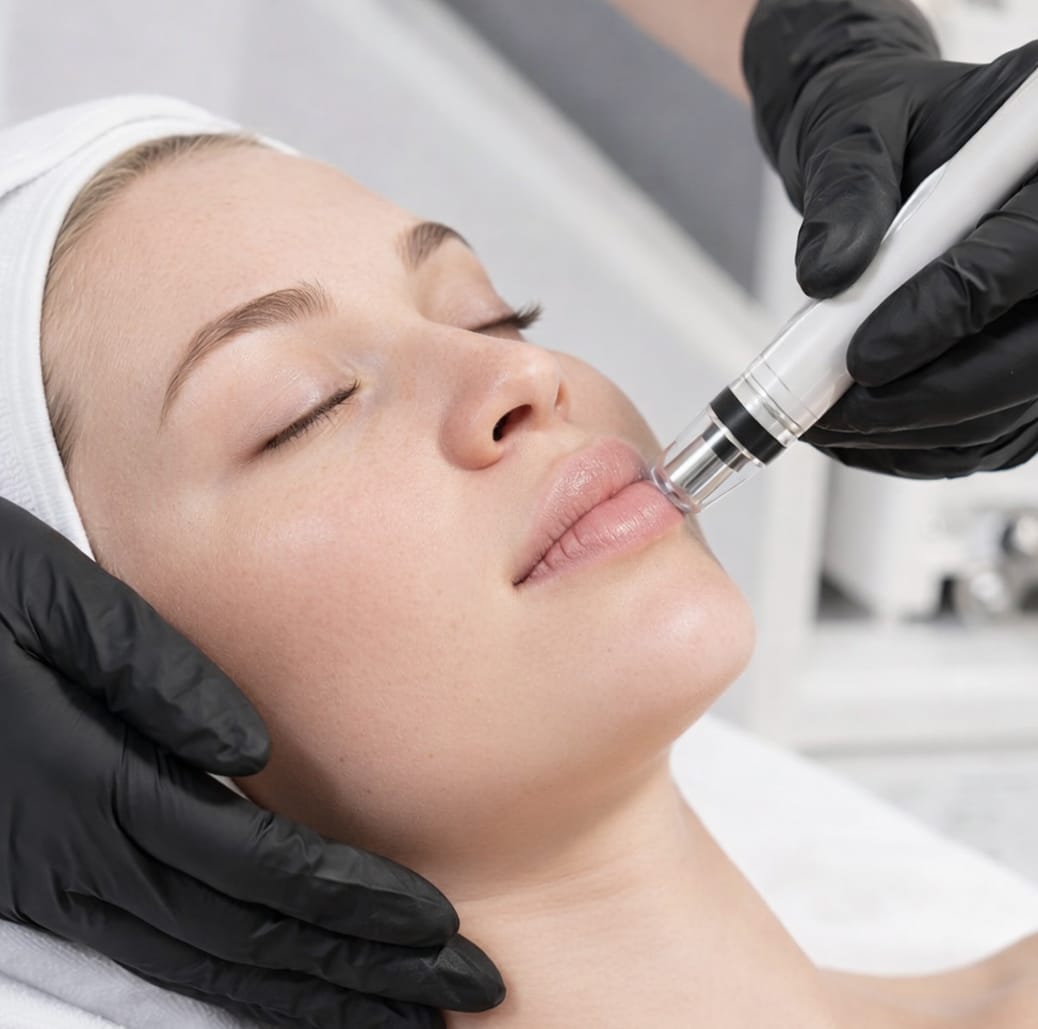
Collagen production and cellular regeneration are most active during deep sleep cycles. When sleep is inconsistent, healing slows and inflammation increases. This affects how the skin responds after microneedling, resurfacing, or tightening procedures.
Recovery is not only about post treatment products. It is about whether the body has the internal capacity to rebuild effectively.
Well rested skin simply performs better.
Stress and Inflammation
Chronic stress elevates cortisol levels, which can weaken the barrier, increase breakouts, and accelerate collagen breakdown. Even subtle, ongoing stress can disrupt skin clarity and hydration.
Treatments can temporarily improve tone and texture, but persistent inflammation will undermine long term progress.
Managing stress is often as important as selecting the right procedure.
Sun Exposure and Longevity
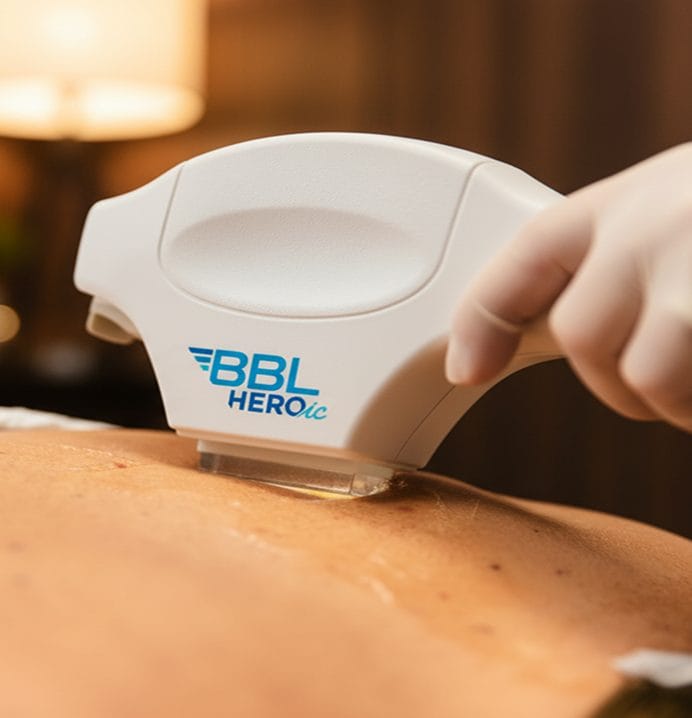
Unprotected sun exposure remains one of the primary drivers of premature aging. Light based treatments and resurfacing can correct visible damage, but continued UV exposure will reverse those improvements.
Daily SPF use is not optional in a long term skin plan. It is foundational.
Consistency protects investment.
Nutrition and Skin Resilience
Hydration, balanced nutrition, and adequate protein intake influence collagen production and barrier integrity. While no single food creates perfect skin, systemic balance supports visible results.
Treatments enhance what the body is capable of producing. They do not replace biological processes.
Supporting internal health amplifies external refinement.
“The most natural results are rarely created in a single session. They are built quietly over time through consistent, intentional care.”