







Both microneedling and chemical peels are designed to improve skin tone, texture, and overall clarity. While they may appear similar in outcome, they work in fundamentally different ways. Understanding how each treatment stimulates renewal can help you choose the right approach based on your skin condition, lifestyle, and long term goals.
1 min read · 14 Feb 2026
Microneedling vs. Chemical Peels, Which One Is Right for Your Skin Goals?

Understanding How Each Treatment Works
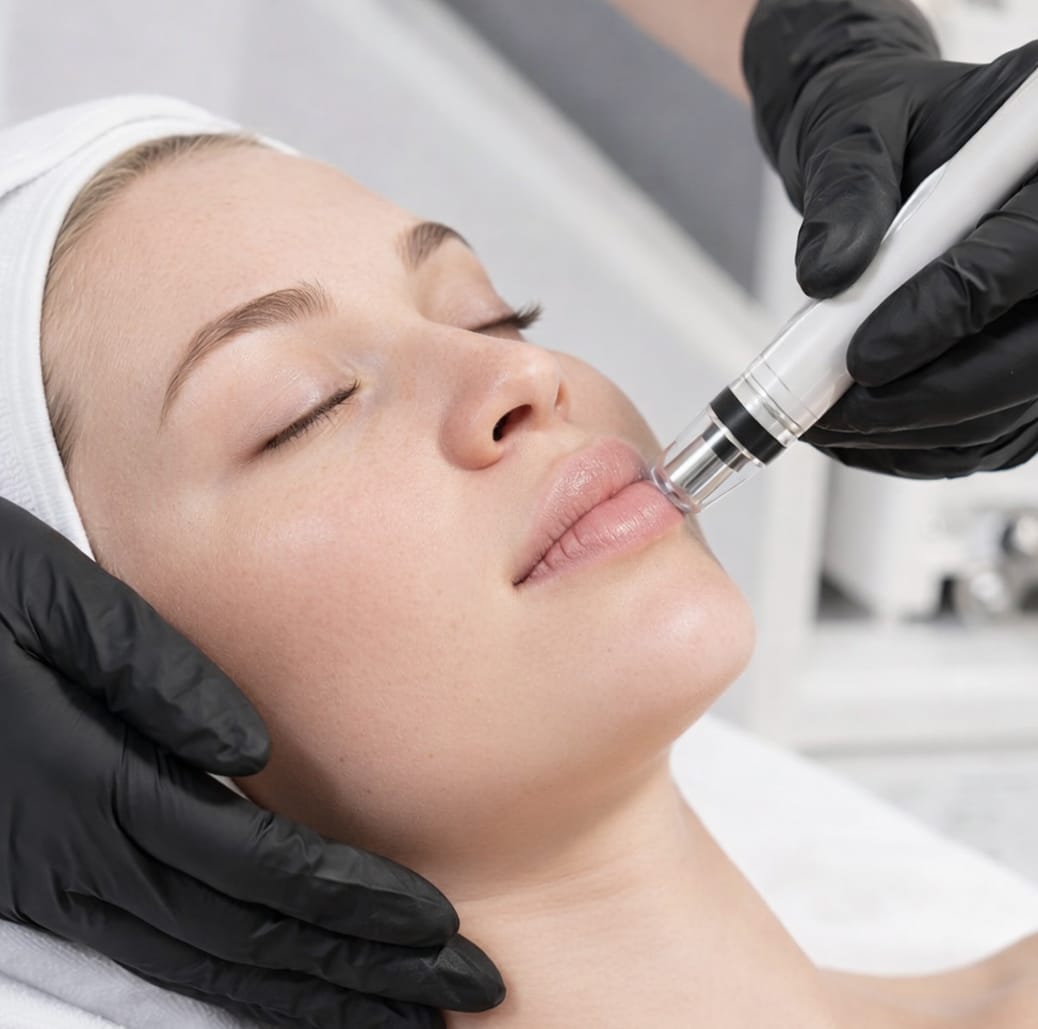
Microneedling works by creating controlled micro channels in the skin that stimulate natural collagen production. This controlled injury response signals the body to repair and rebuild, improving firmness, texture, and fine lines over time. The result is gradual strengthening from within rather than surface level exfoliation.
Chemical peels, on the other hand, use carefully selected acids to exfoliate the outer layers of the skin. Depending on the depth and formulation, peels can target pigmentation, acne, dullness, and uneven tone. Instead of stimulating through injury, they accelerate cellular turnover through chemical exfoliation.
Both treatments encourage renewal, but the mechanism and depth of action differ significantly.


Texture vs. Tone: What Are You Treating?
If your primary concern is acne scarring, enlarged pores, or fine lines, microneedling is often the stronger option. Because it stimulates collagen production deeper in the dermis, it supports structural improvement rather than only surface refinement.
If discoloration, sun damage, melasma, or uneven tone are the main concern, chemical peels may provide faster visible correction. By lifting damaged surface cells, peels brighten and smooth the complexion more immediately.
In many cases, patients require both approaches at different stages of their skin journey.

Downtime and Recovery Considerations
Microneedling typically involves redness and mild sensitivity for several days, depending on depth and intensity. Makeup is usually avoided for a short period, and sun protection becomes critical during recovery.
Chemical peel downtime varies based on strength. Light peels may cause minimal flaking, while deeper peels can involve visible peeling and temporary dryness. Proper aftercare and barrier support are essential to prevent irritation.
Your schedule, sun exposure, and tolerance for recovery should influence the decision just as much as the skin concern itself.

Choosing Based on Long Term Goals
Skin care should never be reactive. Instead of chasing quick results, the right treatment plan supports long term stability and improvement. Microneedling builds strength beneath the surface, while chemical peels refine what is visible.
The decision is less about which treatment is better and more about which treatment is appropriate now.
“The right treatment is not defined by intensity, but by whether it supports your skin’s ability to renew with balance, resilience, and long term strength.”
When chosen thoughtfully, both treatments can play a meaningful role in building healthier, more radiant skin over time.
