Microneedling vs. RF Microneedling: Understanding the Difference
Microneedling has become one of the most requested treatments for improving skin texture, reducing acne scars, and stimulating collagen production. With the advancement of technology, RF (radiofrequency) microneedling has emerged as a more intensive option — often creating confusion about which treatment is appropriate.
While both procedures stimulate collagen, they differ significantly in depth, mechanism, and clinical outcome.
What Is Standard Microneedling?
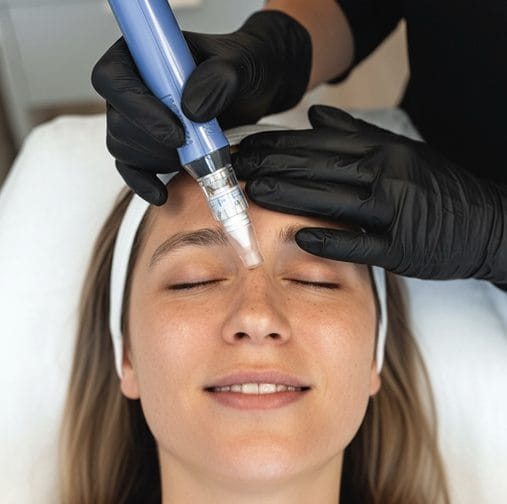
Standard microneedling uses fine needles to create controlled micro-injuries in the skin. These tiny channels stimulate the body’s natural healing response, increasing collagen and elastin production over time.
It is commonly used to improve:
Mild acne scars
Fine lines
Enlarged pores
Uneven texture
Overall skin tone
The treatment primarily targets the superficial to mid-dermal layers and is suitable for early signs of aging or mild textural concerns.
What Is RF Microneedling?
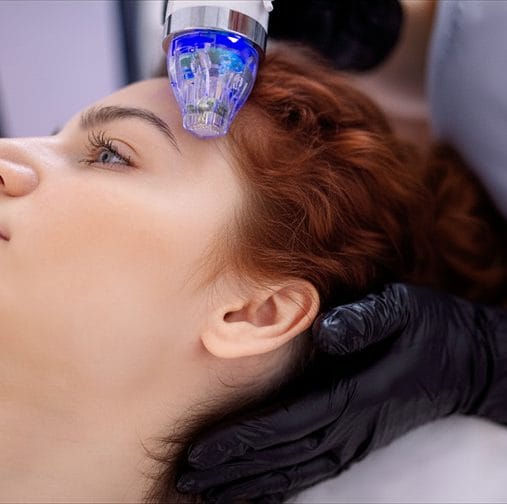
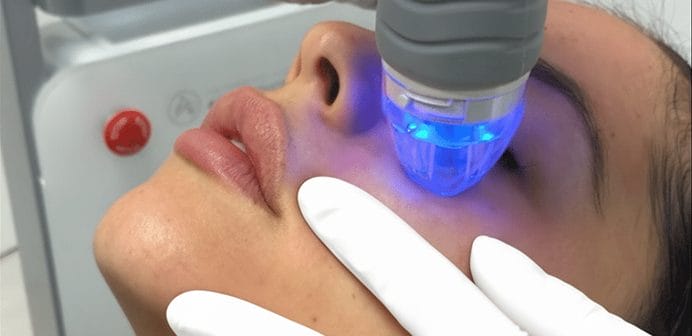
RF microneedling combines traditional needling with controlled radiofrequency energy delivered directly into the deeper layers of the skin.
This added thermal energy stimulates collagen remodeling more aggressively and can tighten tissue while improving texture.
RF microneedling is often recommended for:
Moderate to deeper acne scarring
Skin laxity
Crepey skin
Deeper wrinkles
Jawline and lower face tightening
Because it works at greater depths and includes heat-based stimulation, it typically produces more dramatic structural improvement compared to standard microneedling.
Key Differences in Results and Downtime
Standard microneedling focuses on surface-level collagen stimulation with minimal downtime. It is ideal for patients looking for gradual improvement with a gentler approach.
RF microneedling, on the other hand, penetrates deeper and introduces thermal remodeling. This can mean slightly more downtime, but often fewer sessions are required for visible tightening and structural change.
The choice depends on skin condition, treatment goals, and tolerance for recovery time.
Which One Is Right for You?
There is no universal answer. Patients with mild texture concerns may benefit significantly from traditional microneedling, while those experiencing laxity or deeper scarring may require the added intensity of RF technology.
A professional evaluation determines depth settings, energy levels, and overall suitability to ensure safe and effective outcomes.
Structural Collagen vs. Surface Renewal
Both treatments stimulate collagen, but the degree and depth of stimulation differ. Selecting the appropriate modality should be based on structural assessment rather than popularity.
“Microneedling improves the surface — RF microneedling remodels the structure. The right choice depends on how deep the concern truly goes.”
When treatment is selected strategically, results are more predictable and aligned with long-term skin health goals. Precision in evaluation leads to precision in outcome.