Why Your Skin Changes With Stress, Sleep, and Hormones
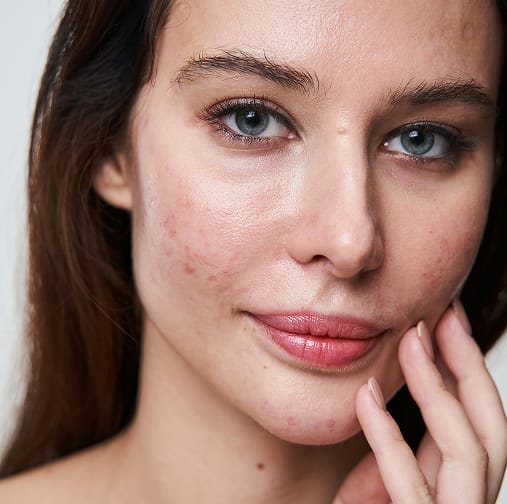
Skin health is influenced by far more than skincare products or occasional treatments. Internal factors such as stress levels, sleep quality, and hormonal balance play a significant role in how the skin behaves over time.
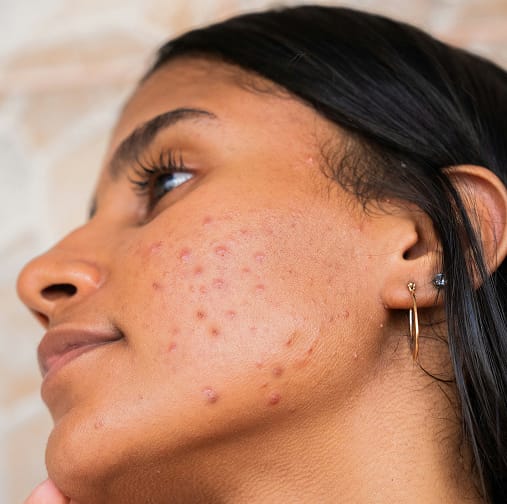
When these systems are disrupted, the effects often appear directly on the skin — through breakouts, dullness, sensitivity, or changes in texture. Understanding the connection between internal balance and skin health is essential for maintaining long-term stability and resilience.
The Impact of Stress on Skin
Chronic stress triggers the release of cortisol, a hormone that can influence inflammation, oil production, and the skin’s ability to repair itself. Elevated cortisol levels may lead to increased breakouts, slower healing, and a weakened skin barrier.
Over time, stress can also accelerate visible aging by contributing to collagen breakdown and reduced skin elasticity. This is why periods of prolonged stress often coincide with sudden changes in skin quality.
Supporting skin health therefore requires not only topical care, but also managing the physiological effects of stress on the body.
Why Sleep Is Essential for Skin Repair
Sleep is when the body performs much of its cellular repair and regeneration. During deep sleep, blood flow to the skin increases, allowing oxygen and nutrients to support collagen production and tissue recovery.
When sleep is disrupted or consistently insufficient, the skin may appear dull, dehydrated, or uneven. Dark circles, reduced elasticity, and slower healing are all common signs of inadequate restorative sleep.
Consistent, high-quality sleep supports the biological processes that maintain healthy, balanced skin.
Hormones and Their Influence on Skin Behavior
Hormones play a central role in regulating oil production, inflammation, and overall skin stability. Fluctuations in hormonal levels can contribute to breakouts, increased sensitivity, or changes in texture.
These shifts may occur during periods of stress, changes in lifestyle, or natural hormonal transitions. Because of this, skin concerns are often linked to internal regulation rather than external factors alone.
Addressing hormonal influence requires a broader perspective on health, lifestyle, and long-term skin support.
Supporting Skin From the Inside Out
Healthy skin is the result of both external care and internal balance. While treatments and skincare can improve visible concerns, long-term results often depend on supporting the body’s underlying systems.
“Skin health is closely connected to how the body manages stress, rest, and hormonal balance. When these internal systems are supported, the skin often reflects that stability.”
When skin is viewed as part of a larger biological system rather than an isolated surface, strategies for improvement become more effective and sustainable over time.