Struggling With Facial Redness? Here’s What Can Help
Whether redness appears occasionally or has become a daily concern, understanding the underlying cause is essential to finding the right solution. From sensitive skin and environmental triggers to rosacea-like symptoms and sun damage, facial redness can develop for many different reasons.
In this article, we’ll explore what causes persistent redness, what you can do to help calm your skin, and which professional treatments may be recommended when at-home care isn’t enough.
Why Does Facial Redness Happen?
Facial redness can develop for many different reasons, which is why there’s rarely a one-size-fits-all solution. For some people, redness is triggered by sensitive skin or a weakened skin barrier, while others may experience persistent flushing due to rosacea-like symptoms, sun damage, or visible broken capillaries. Environmental factors such as heat, cold weather, wind, spicy foods, alcohol, and stress can also make redness more noticeable.
Although occasional redness is common, persistent or worsening symptoms may indicate an underlying skin condition that benefits from professional evaluation. Identifying the cause is the first step toward choosing the most effective treatment and preventing future flare-ups.
What Can You Do at Home?
While not every case of facial redness can be resolved with skincare alone, healthy daily habits can help reduce irritation and support a stronger skin barrier. Choosing gentle, fragrance-free cleansers and moisturizers, avoiding harsh exfoliants, and applying broad-spectrum SPF every day can all make a meaningful difference.
It’s also helpful to recognize personal triggers. Hot showers, excessive sun exposure, certain active ingredients, alcohol, and spicy foods may contribute to flare-ups for some individuals. Keeping your skin hydrated and following a consistent routine can often reduce sensitivity and improve overall skin comfort over time.
When Skincare Isn't Enough
If redness continues despite a consistent skincare routine, or if you notice frequent flushing, visible blood vessels, or ongoing irritation, professional treatment may be the next step. While over-the-counter products can help manage mild sensitivity, they typically cannot address deeper vascular concerns or long-standing inflammation.
A professional skin assessment can help determine what’s contributing to your redness and whether advanced treatments may provide better, longer-lasting improvement. Because every skin type is different, treatment recommendations should always be personalized rather than based on symptoms alone.
Professional Treatments That May Help
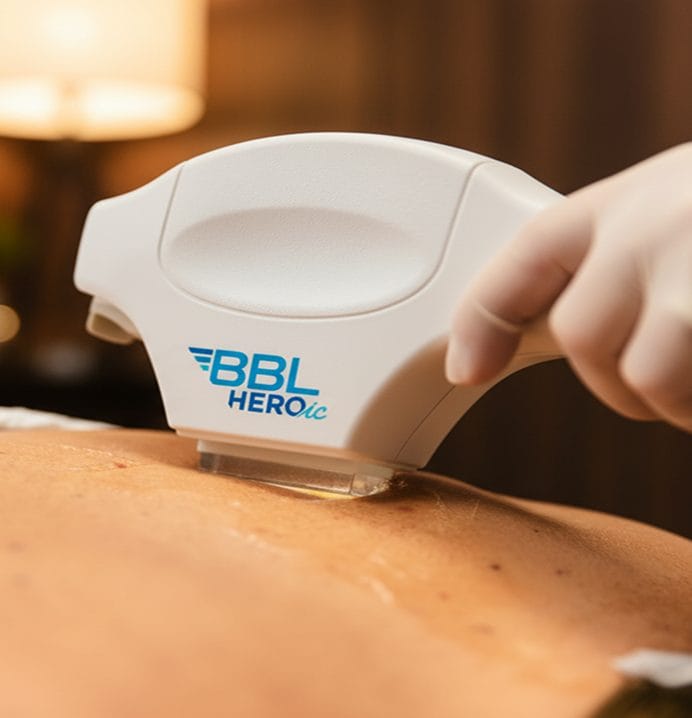
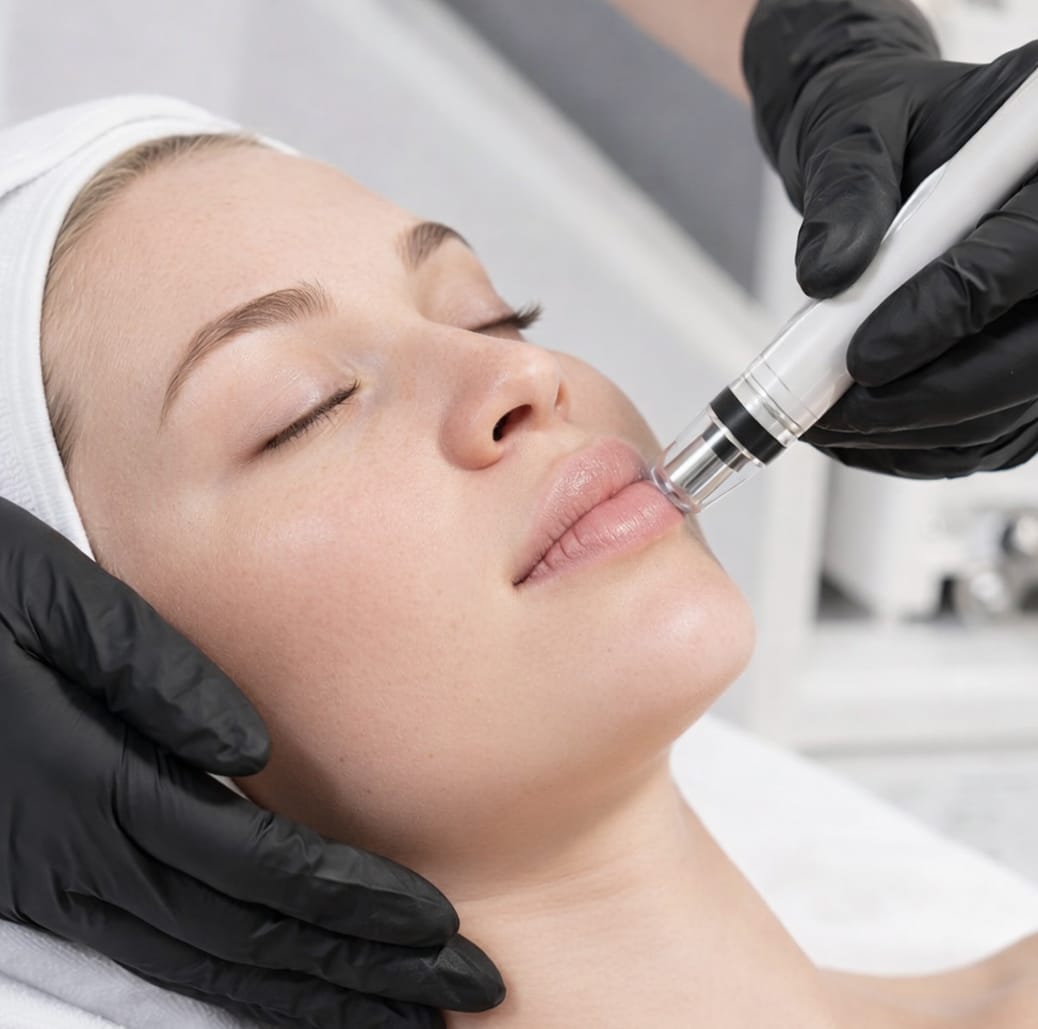
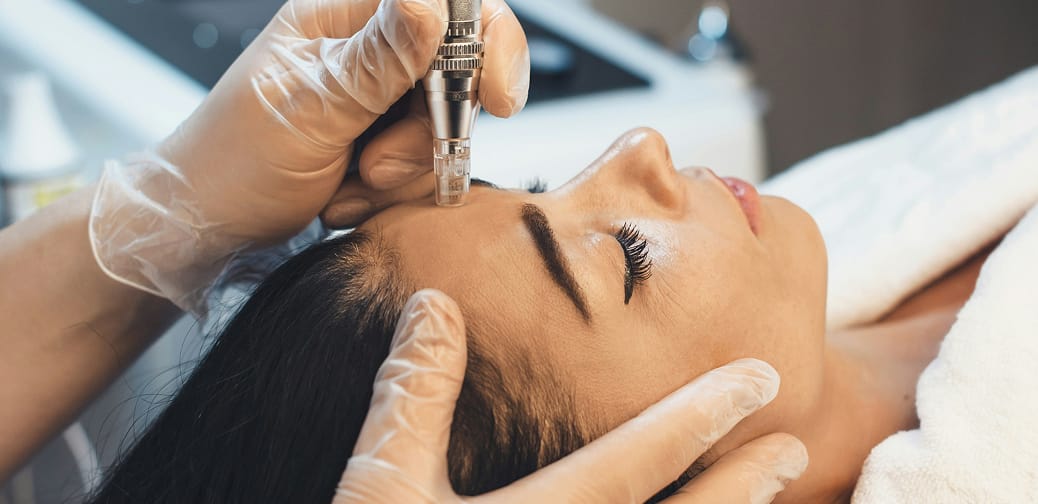
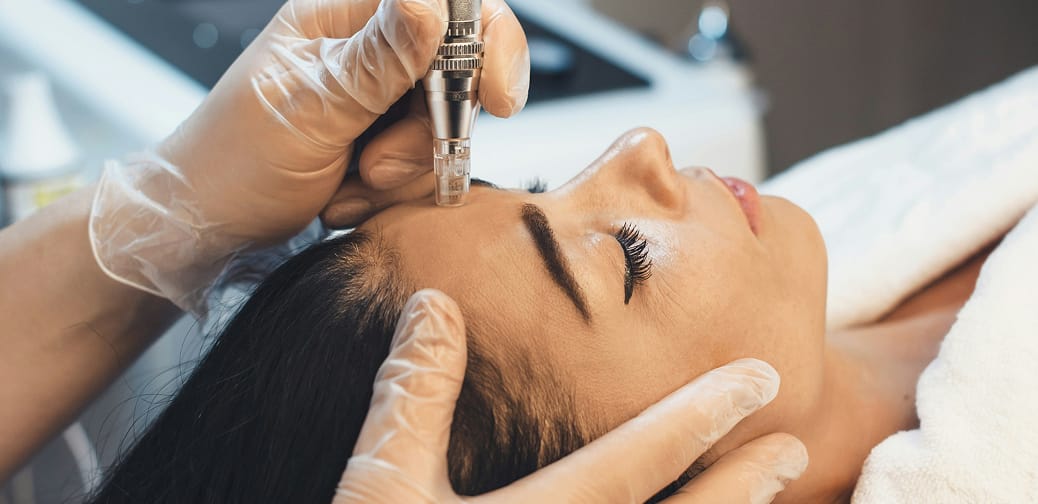
Depending on the underlying cause of your redness, several professional treatments may help improve your skin’s appearance and comfort. IPL (Intense Pulsed Light) therapy is commonly used to reduce diffuse redness and target visible blood vessels, while laser treatments may be recommended for more persistent vascular concerns. In many cases, medical-grade skincare is incorporated to calm inflammation, strengthen the skin barrier, and support long-term skin health.
Rather than focusing on temporary relief, the goal is to identify the underlying cause of redness and create a personalized treatment plan that supports healthier, more balanced skin over time.
Healthy Skin Starts With the Right Diagnosis
Facial redness isn’t always caused by the same condition, which is why finding the right solution begins with understanding what’s happening beneath the surface. Whether your symptoms are linked to sensitivity, rosacea-like concerns, sun damage, or environmental triggers, an accurate assessment can help guide the most effective treatment plan.
With the right combination of professional care, targeted skincare, and healthy daily habits, many people experience noticeable improvements in both redness and overall skin health. The earlier the underlying cause is identified, the sooner you can begin working toward calmer, healthier-looking skin.
“Healthy, balanced skin begins with identifying the cause of redness, not simply treating what appears on the surface.”