image
0%

01/08 Your goals

What would you love to improve?

Choose every goal that matters. Your answers will shape a personalized treatment shortlist.

Soften lines & wrinkles
Restore volume or contour
Improve tone, texture or sun damage
Clear acne or acne scars
Tighten or lift skin
Remove unwanted hair or veins
Feel stronger, healthier & more energized
Reach a healthier weight
Refresh and maintain my skin
I’m not sure which apply

02/08 Your focus

Which concerns feel most important right now?

Expression lines
Fine lines or early signs of aging
Facial volume loss
Facial balance or contour
Pigmentation, redness or sun spots
Uneven texture or enlarged pores
Active acne or acne scarring
Lax or crepey skin
Jawline or neck definition
Unwanted hair
Spider veins
Low energy, libido or hormone symptoms
Fatigue or low daily energy
Weight or metabolic health
Cravings or appetite control
Stubborn fat or body composition
None of these apply

03/08 Treatment area

Where would you most like to focus?

Face
Eyes
Lips or lower face
Neck or décolletage
Body
Whole-body wellness
Hormone health
Energy and recovery
None of these apply

04/08 Your outcome

What kind of result sounds most like you?

A quick, subtle refresh
A visible correction
Long-term reduction with a treatment plan
Gradual, natural regeneration
Ongoing prevention & maintenance
Medical wellness guided by a provider
More energy and better everyday wellbeing
Hormone and vitality optimization
Sustainable weight and metabolic progress
Better appetite control and body composition
None of these apply

05/08 Downtime

How much recovery time fits your life?

None — I need to get right back to life
A day or two is fine
Up to a week for a stronger result
I’m open to downtime for the best fit

06/08 Comfort

Which treatment experience are you open to?

Relaxing, non-invasive care
Energy or laser-based treatments
Injections
Minimally invasive treatments
I’m open to the provider’s recommendation
None of these apply

07/08 Timing

When would you like to begin?

As soon as possible
Within the next month
I’m planning for an event
I’m exploring my options

08/08 Your results

Your personalized treatment matches

These matches are educational, not a diagnosis. A Lumos provider can confirm what is safe and appropriate for you.

01/10 Your Details

First, where should
we send your results?

Share where we should send your personalized results and next steps.

02/10 Primary Goal

What's your
primary goal?

Select the area that matters most to you right now.

Gut Healing
Skin & Anti-aging
Sexual Health
General Optimization
Athletic Performance & Recovery
Injury & Pain Recovery

03/10 Your Situation

What best describes
your situation?

This helps us narrow down the best peptide for you.

Chronic tendon or ligament issue
Muscle strain or tear recovery
Joint pain or cartilage issues
Post-surgical healing

04/10 Daily Impact

How much is this
affecting your daily life?

No wrong answers — just helps us understand your situation.

Mild - Noticeable but manageable
Moderate - Affecting quality of life
Significant - Major daily impact
Severe - Limiting what can I do

05/10 Timeline

How long have you
been dealing with this?

This helps us calibrate expectations for your protocol.

A few weeks
Several Months
1-2 Years
3+ Years

06/10 Peptide Experience

Have you used
peptides before?

This helps us tailor the level of detail in your results.

Never — this is all new to me
Researched, but not yet used
Used peptides from an online source
Used provider-prescribed peptides

07/10 Current Therapy

Are you currently receiving
hormone therapy?

Peptides often complement other protocols.

Yes, I'm a Moonshot patient
Yes, at another provider
No, but I'm interested
No, just interested in peptides

08/10 Treatment Preference

How important is keeping
your protocol simple?

Some protocols combine multiple peptides into one injection.

Very — Fewer injections
Somewhat — I'm flexible
Not important — Best results first

09/10 Budget

What monthly investment
feels right for you?

All prices include pharmaceutical-grade compounds and medical oversight.

Under $200/month
$200–300/month
$300–400/month
$400+/month

10/10 Thank you for completing the quiz

Your personalized results are ready

Based on your answers, we’ve identified treatments aligned with your goals and preferences.

image

Sun exposure is one of the most significant factors influencing how skin ages over time. While a sunny day may leave behind a temporary glow or tan, repeated exposure to ultraviolet (UV) radiation can gradually affect the skin’s structure, appearance, and overall health.

Many of these changes develop slowly and may not become noticeable for years. Understanding the long-term effects of sun damage is essential for protecting skin health and maintaining a more youthful, resilient complexion.

In this article, we’ll explore how UV damage affects the skin, the importance of prevention, and some of the professional treatments that may help improve the visible effects of sun damage.

How UV Exposure Affects the Skin

When skin is exposed to ultraviolet rays, changes begin to occur beneath the surface. UV radiation can accelerate the breakdown of collagen and elastin, two proteins responsible for maintaining firmness and elasticity.

Over time, repeated exposure may weaken the skin’s structural support system, making it more difficult for the skin to maintain its smooth texture and youthful appearance. UV exposure can also trigger inflammation and contribute to uneven pigmentation.

Because these effects accumulate gradually, damage often occurs long before visible signs begin to appear.

Recognizing the Signs of Sun Damage

Sun damage can present itself in many ways. Some individuals notice dark spots, uneven skin tone, redness, or increased sensitivity. Others may experience fine lines, rough texture, or a gradual loss of firmness.

These visible changes are often referred to as photoaging, a form of premature aging caused primarily by ultraviolet exposure. Unlike natural aging, photoaging can often be accelerated by years of unprotected sun exposure.

The earlier these changes are identified, the more effectively they can be addressed through preventative care and professional treatment options.

Prevention Is More Effective Than Correction

Protecting the skin from excessive UV exposure remains one of the most effective ways to preserve long-term skin health. Daily sun protection, protective clothing, and consistent skincare habits all play an important role in minimizing future damage.

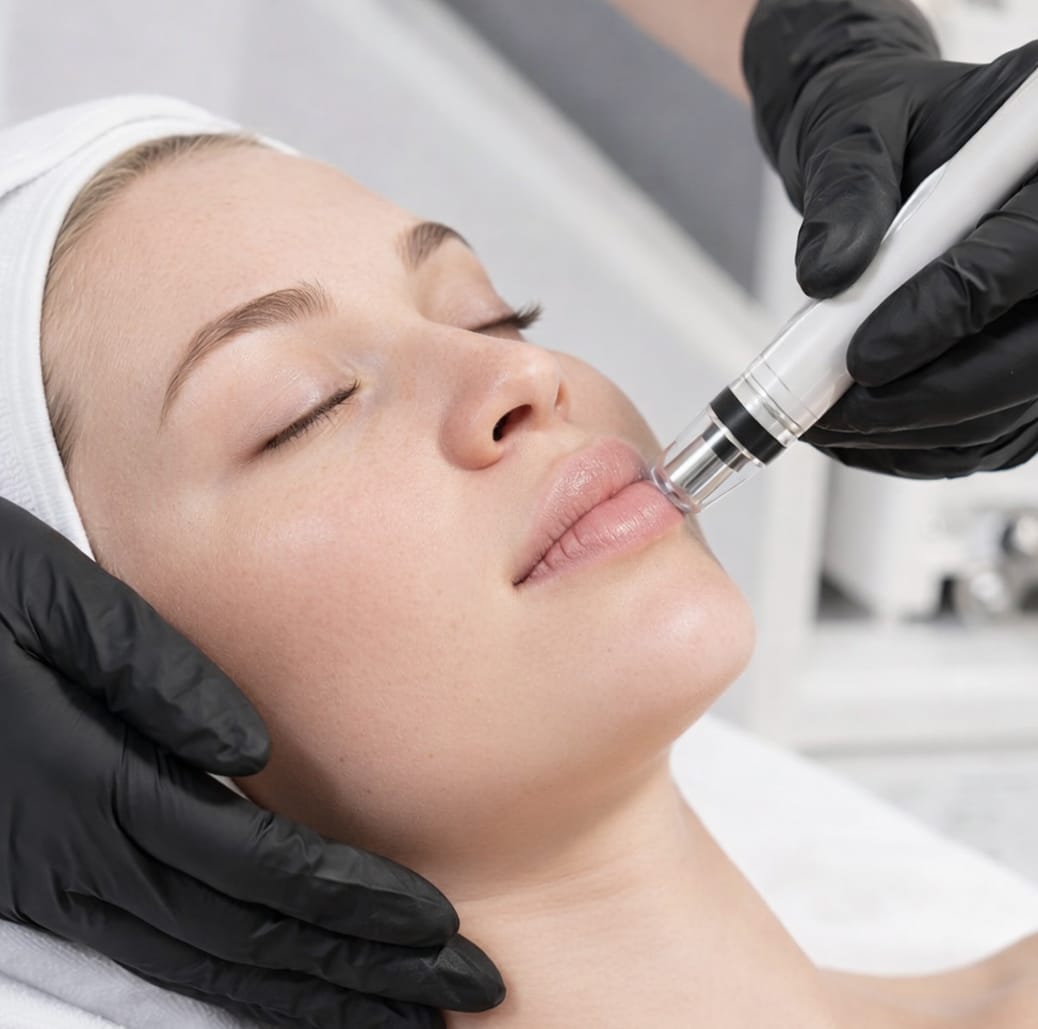
Professional treatments may also help improve the appearance of existing sun damage by addressing concerns such as pigmentation, texture irregularities, and collagen decline. However, prevention remains the foundation of any long-term skin health strategy.

Small daily habits often have the greatest impact over time.

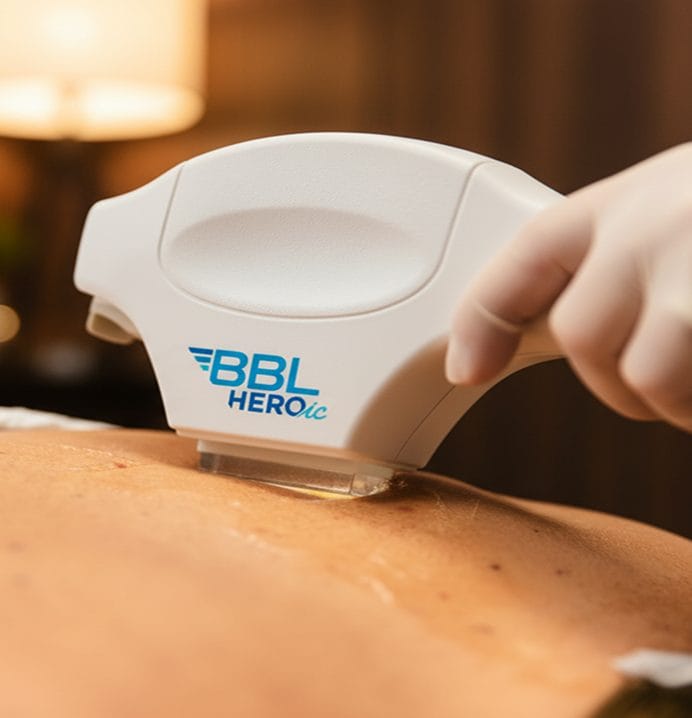
While prevention remains the most effective strategy, many visible signs of sun damage can be improved with professional treatments. Depending on your skin concerns, options such as brightening agents, chemical peels, IPL photofacials, and laser treatments may help reduce discoloration, improve skin tone, and support healthier-looking skin.

Healthy Skin for the Future

Sun exposure is a part of everyday life, but protecting the skin from unnecessary damage can make a meaningful difference in how it looks and functions over the years.

“While sun damage can’t always be prevented, the right combination of daily protection and professional treatments can help restore healthier, more radiant skin.”

By prioritizing sun protection, supporting skin health, and seeking professional treatment when appropriate, it’s possible to reduce many visible effects of sun damage and maintain healthier, more resilient skin over time.